 411 Reviews
A weak, cracked or decayed tooth can affect the appearance of your smile and your dental health. Your dentist near you will recommend a dental crown as one of the most reliable solutions available. A crown works as a lid to bring back strength, function, and look. A dental crown near you can be ideal if you have damage or cosmetic concerns. Moreover, a dentist may recommend a dental crown after root canal therapy. This means crowns can be a good, long-lasting kind of restoration.
What Is a Dental Crown?
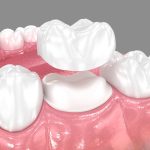
Dental crowns are tooth-shaped caps placed over a tooth to improve its appearance. It puts the tooth’s shape, function, and appearance back to normal. It will also stop further decay. With good care, crowns can last for many years.
They can be made from.
- Porcelain or ceramic.
- Metal.
- Zirconia.
- Porcelain fused to metal.
- Composite resin.
Based on where the implant will go, the situation, and your budget.
Why Might You Need a Dental Crown?
There are many reasons a dentist might recommend dental crowns.
- Severely decayed or weakened teeth.
- Broken or fractured teeth.
- Cosmetic smile enhancement.
- Replacement of large fillings.
- After a root canal procedure.
- Covering a dental implant.
Crowns not only improve the appearance of your teeth and gums but also help protect your tooth from damage.
How Dental Crowns Restore Teeth.
If a tooth is damaged, it could become weak, painful or even totally unusable. Understanding the benefits of dental crowns can help develop a healthy smile. The structure of a weakened tooth receives reinforcement and protection from further wear by a crown. In addition, it allows you to chew properly again. When your teeth are straight, it supports a healthy bite. Straight teeth also prevent your other teeth from moving.
Steps Involved in Getting a Dental Crown.
Getting a crown usually requires two visits.
- Consultation & Tooth Preparation.
The dentist inspects the tooth, removes any rot, sculpts it, and takes impressions to create the custom-made crown.
- Temporary Crown Placement.
A temporary crown is a covering that protects your tooth while the actual crown is being made.
- Permanent Crown Placement.
The dentist attaches the final crown with a tight fit to look and bite naturally.
Types of Dental Crowns and Their Benefits
| Type | Best Used For |
| Porcelain/ceramic | Front teeth are highly aesthetic |
| Metal | Back teeth, maximum durability |
| Porcelain-fused-to-metal | Strong + natural appearance |
| Zirconia | Strong and natural-looking |
| Composite resin | More affordable, less durable |
Every option offers a unique advantage, helping to customize your treatment.
Caring for Your Dental Crown for Long-Term Success
Even though crowns are strong, they still need care. Here are tips for caring for your dental crown.
- Make sure to brush and floss every day to avoid decay at the margins of the crown.
- Avoid chewing hard ice, pens, or non-food items.
- Use a nightguard if you grind your teeth.
- Schedule regular dental checkups.
- Avoid sticky and overly hard foods.
- With good care, crowns can last 10–15 years or even longer.
Signs You May Need a Crown Replacement
Over time, crowns may wear down or loosen. You should visit a dentist if you notice.
- Sensitivity around the tooth.
- Visible cracks or chips.
- Discomfort while chewing.
- Gum inflammation around the crown.
- Early evaluation prevents further problems.
Conclusion: Restore Your Smile Confidently
Crowns can serve to rebuild and beautify a tooth that isn’t up to par. Get started on the journey to better oral health and an improved smile by taking a trip to a dental team with some experience under its belt.At LeFleur Dental Group, we offer high-quality restorative care that takes your unique situation into account. Our team will help you restore your confidence with durable yet attractive crowns. Contact us today to learn more and schedule your consultation!
📍 Find Us on Google Map