 411 Reviews
A persistent toothache can make it difficult to focus on school, work, or hobbies. When a tooth suffers from a deep infection, root canal therapy in Jackson, MS, can relieve pain while preserving your smile. Many people worry when they hear about a root canal, but the procedure is actually a helpful solution designed to prevent tooth loss. Instead of pulling the tooth out, a professional cleans the inside to remove germs and seal the area against future damage.
Understanding the Anatomy of a Tooth
To see how the treatment works, it helps to understand what is inside a tooth. While the outer shell is hard enamel, the center contains a soft area called the pulp. This pulp holds the nerves and blood vessels that help a tooth grow when you are young. If a cavity or a crack allows bacteria to reach the pulp, the area becomes inflamed and painful.
An infection in the pulp will not go away on its own. Without dental care, bacteria can move down into the roots and form a pocket of infection called an abscess. That infection can lead to bone loss in the jaw or to the disease spreading to other parts of the body. Saving the natural tooth is always the goal because it helps maintain your ability to chew properly and keeps your other teeth from shifting out of place.
Which Clues Show You Might Need a Root Canal?
Your body has specific ways of telling you that a tooth needs professional attention. Identifying the signs you need a root canal early can make the treatment much more straightforward. If you notice any of these symptoms, a checkup is a smart move:
- Lingering Sensitivity: Pain that stays for a long time after you drink cold water or hot soup.
- Sharp Pain While Chewing: A sudden jolt of discomfort whenever you bite down on food.
- Swollen Gums: Redness or a small bump on the gums that looks like a pimple near the aching tooth.
- Darkening of the Tooth: A color change that makes the tooth look gray or black compared to its neighbors.
- Deep Decay: A large hole or a crack that reaches deep into the tooth structure.
What Exactly Happens During the Procedure?
Learning what is root canal therapy helps remove the mystery and fear surrounding the visit. The process is very similar to getting a deep filling, though it takes a little more time. A dentist starts by numbing the area so you feel relaxed and comfortable throughout the appointment.
Once the tooth is numb, the professional makes a small opening in the top of the tooth. Using tiny, specialized tools, the infected pulp is carefully removed from the canals inside the roots. After the canals are cleaned and disinfected, they are filled with a rubber-like material to seal them shut. Finally, a temporary or permanent cover is placed over the tooth to protect it while it heals.
How Does Keeping Your Natural Tooth Help Long-Term?
There are several long-term health benefits to saving a tooth rather than extracting it.
- Original Appearance: Unlike bridges or implants, your original tooth is preserved.
- Normal Chewing: A natural tooth is far more resilient to the force of eating than a replacement.
- Prevents Shifting: Keeping the tooth in its spot stops the teeth next to it from tilting or moving into a gap.
- Cost-Effective: While the treatment has a cost, it is often less expensive than pulling a tooth and then paying for a fake replacement later.
- Bone Health: Keeping the natural root in the jawbone helps maintain the strength and shape of your face.
Life After the Treatment
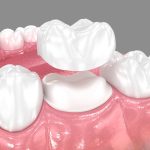
After the procedure, the tooth may feel a little tender for a few days. This is normal as your body heals the tissues around the roots. Most people find that the intense pain they had before the visit is gone immediately. A dentist near you will likely suggest a crown for the tooth in a follow-up visit. Because the pulp is gone, the tooth can become brittle over time, and a crown provides a strong “helmet” to prevent cracking.
Protecting Your Smile for the Future
Good habits are the ideal way to avoid the need for deep dental work in the future. Brushing twice a day and flossing every night keeps bacteria away from the sensitive inner parts of your teeth. Drinking water instead of sugary sodas also helps protect your enamel from the acids that cause decay. Regular checkups every six months allow a professional to detect minor problems before they become severe enough to require root canal therapy.
Expert Care for Your Dental Health
We understand that dental procedures can feel intimidating, which is why we prioritize your comfort and explain every step of the journey. Our mission is to help you maintain your natural teeth for a lifetime through high-quality care and advanced technology.
Would you like to speak with our friendly team at LeFleur Dental Group to see if a root canal is the right way to stop your tooth pain and save your smile?
Schedule your visit today.
Frequently Asked Questions
How Does Root Canal Therapy Work?
It is a dental procedure used to remove infected or damaged tissue from the inside of a tooth. After the infection is gone, a dentist cleans and seals the inside of the tooth to prevent germs from returning, allowing you to keep your natural tooth.
Does receiving root canal therapy involve a lot of pain?
Modern numbing medicine ensures that the process is very similar to getting a standard filling. Most patients feel no pain during the visit and experience tremendous relief once the infection is removed and the pressure is gone.
What are the most common symptoms of needing a root canal?
Frequent indicators include extreme sensitivity to temperature, pain when chewing, and swelling in the gums near the tooth. If you notice a tooth changing color or a persistent ache, you should visit a dentist for an evaluation.
Is it better to pull the tooth or get a root canal?
Keeping your natural tooth is almost always the preferred choice. Pulling a tooth can cause the jawbone to shrink and other teeth to move out of place. Saving the tooth with root canal therapy maintains your bite and keeps your jaw healthy.